

Introduction: Why Payroll Management is More Important Than Ever in 2026
In 2026, payroll is more than just issuing paychecks. It’s about compliance, accuracy, and staying on top of frequent changes in tax rates and reporting rules. For small business owners in Ontario, managing payroll correctly can be the difference between smooth operations and costly mistakes. Even a small error in payroll deductions, tax reporting, or year-end filings can result in penalties from the Canada Revenue Agency (CRA), not to mention dissatisfied employees.
This guide is here to help you understand the most important aspects of payroll in 2026, so you can ensure compliance, avoid penalties, and keep your business running smoothly. Let’s dive into what you need to know to manage payroll effectively.
Pick Your Path: Which Payroll Challenge Does Your Business Face?
Quick Start Checklist
- Small Business Owners:
- Are you calculating payroll deductions on your own or outsourcing it?
- Are you familiar with the year-end payroll checklist and T4 preparation?
- Do you know the CRA payroll remittance deadlines?
- HR/Payroll Departments:
- Do you have a system in place for accurate payroll tax reporting and remittance?
- Are you prepared for any payroll compliance changes in 2026?
- Freelancers/Self-Employed with Employees:
- Are you making the proper deductions for CPP, EI, and income tax?
- Do you understand employee T4 preparation for year-end filing?
What You Need to Know About Payroll Compliance in Canada
Direct Answer: Payroll compliance involves ensuring accurate deductions and remittances to the CRA on time. Non-compliance can result in costly fines and tax penalties.
In Canada, payroll compliance is governed by federal and provincial laws. As an employer, you are responsible for:
- Deductions: Deducting the correct amounts for income tax, Canada Pension Plan (CPP), Employment Insurance (EI), and other contributions.
- Remittances: Sending these deducted amounts to the CRA on time, either monthly or quarterly, depending on your business size.
- T4 Filing: Issuing T4 slips to employees by the end of February each year.
Understanding and adhering to payroll compliance requirements ensures that your employees are properly compensated and that your business stays in good standing with the CRA.
Payroll Deductions and Remittances in 2026: What’s Changing?
Direct Answer: Payroll deductions in Canada, including income tax, CPP, and EI, need to be calculated accurately and remitted on time to avoid penalties.
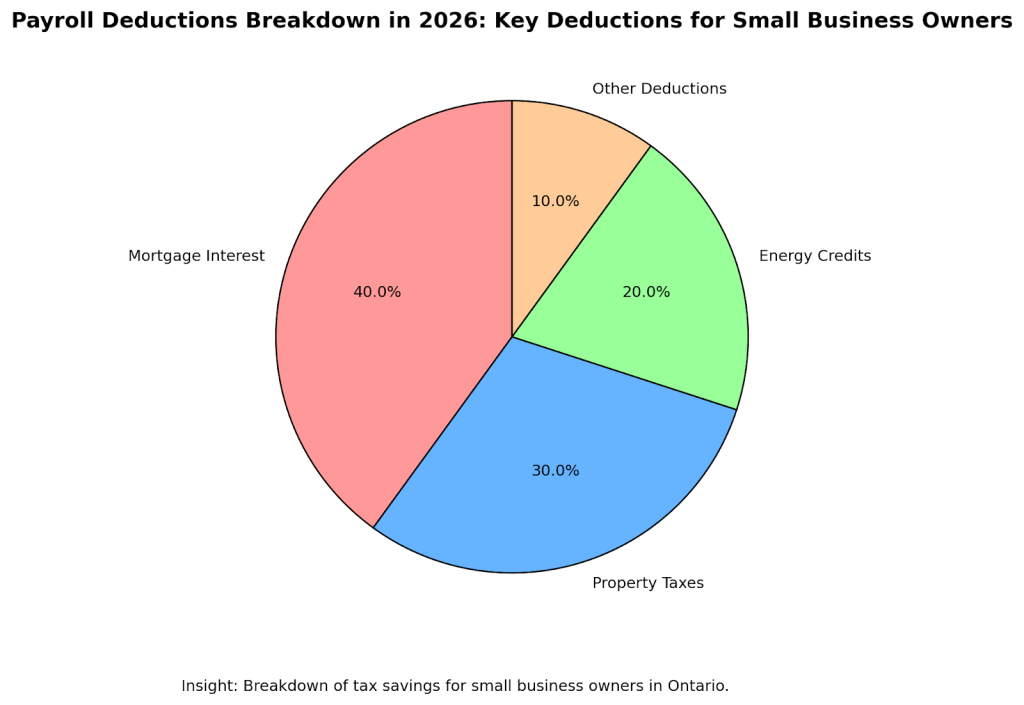
The main payroll deductions in Canada are:
- Income Tax: This is the tax that employees owe based on their earnings and personal tax exemptions.
- Canada Pension Plan (CPP): Both employees and employers contribute to the CPP, which provides retirement benefits.
- Employment Insurance (EI): EI premiums are deducted from employees’ paychecks and provide financial assistance if they lose their job.
In 2026, be aware of any changes in these tax rates or contribution limits, as these adjustments can affect the total deductions you need to make. Keep an eye on the CRA payroll remittance deadlines to stay compliant.
Year-End Payroll Processing: How to Handle T4s and Employee Tax Filings
Direct Answer: T4 slips must be prepared and submitted to employees by the end of February each year.
Year-end payroll processing involves:
- T4 Preparation: T4 slips show the total wages, bonuses, and deductions for each employee. These slips must be provided to employees by February 28.
- T4 Summary: This document reports the total wages and deductions for all employees. It must be submitted to the CRA by the same deadline.
Preparing employee T4s can be time-consuming, but with the right payroll system, it can be a streamlined process. Be sure to verify that all employee information is correct before issuing the T4 slips to avoid mistakes.
Small Business Payroll in 2026: What’s New?
Direct Answer: 2026 brings changes in payroll reporting and tax rates. These adjustments require businesses to stay on top of new rules.
Some potential changes to look out for in 2026 include:
- New Tax Rates: Changes to tax brackets or payroll tax reporting frequencies could impact your payroll system.
- Reporting Procedures: Businesses may need to file payroll reports more frequently, depending on the size of the payroll.
Stay updated on the latest payroll compliance requirements by regularly checking with the CRA or consulting a payroll expert.
Payroll Tax Reporting in 2026: What You Must Report and When
Direct Answer: Payroll tax reporting is required regularly, either monthly or quarterly, depending on your business’s size.
Payroll tax reports include details about employee earnings, deductions, and the taxes remitted to the CRA. These reports must be submitted by the required deadlines:
- Monthly or Quarterly: Larger businesses may need to file monthly, while smaller businesses may file quarterly.
Ensure that all payroll tax reports are submitted on time to avoid penalties from the CRA.
Common Payroll Mistakes to Avoid in 2026
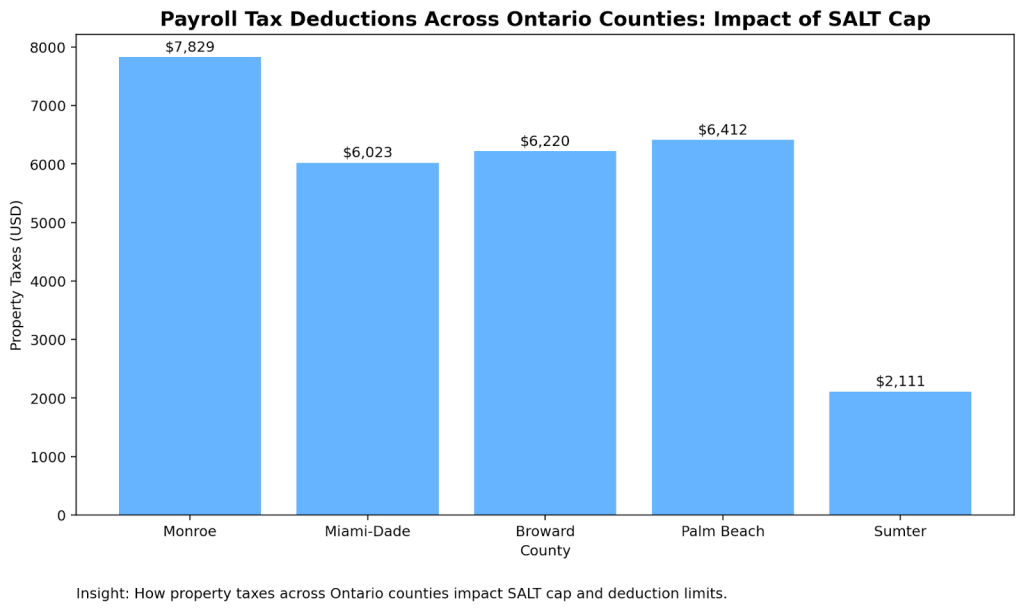
Direct Answer: Common payroll mistakes include late remittances, incorrect deductions, and failure to issue T4 slips on time.
Here are a few mistakes that can cause major issues:
- Late Remittances: Failing to remit payroll taxes to the CRA on time can result in penalties and interest charges.
- Incorrect Deductions: Errors in calculating income tax, CPP, or EI deductions can lead to significant underpayment or overpayment.
- Failure to Provide T4s: Missing T4 filing deadlines can create problems for both you and your employees.
Step-by-Step Roadmap to Managing Payroll in 2026
- Set Up Payroll Systems: Use payroll software or hire a professional to manage payroll.
- Track Employee Hours and Salaries: Ensure accurate record-keeping to prevent payroll discrepancies.
- Calculate Deductions: Make sure the correct amounts are deducted for income tax, CPP, and EI.
- Remit Payments to the CRA: Send remittances on time to avoid penalties.
- Prepare T4s: Prepare and issue T4 slips by February 28.
- Consult a Professional: If you’re unsure about payroll taxes or filing, seek help from a payroll expert or tax accountant.
FAQ: Answers to Common Payroll Questions
What is payroll remittance in Canada?
Payroll remittance refers to the process of submitting employee deductions to the CRA.
When do I need to issue T4 slips?
T4 slips must be issued to employees by February 28 each year for the previous tax year.
Can I outsource payroll?
Yes, outsourcing payroll can help ensure compliance and save time.
What happens if I miss a payroll remittance deadline?
Missing a deadline can lead to penalties and interest charges from the CRA.
Do I need to issue a T4 for contract workers?
Contract workers usually receive a T4A slip instead of a T4 slip.
How do I avoid payroll errors?
Using payroll software and consulting professionals can help reduce the likelihood of errors.
Conclusion: How Payroll Management Protects Your Business and Employees
Payroll is more than just a task—it’s an essential part of running a compliant and efficient business. By staying on top of payroll deductions, remittances, and year-end T4 preparation, you ensure your employees are paid correctly and on time while keeping your business in good standing with the CRA.If you need help managing your payroll or ensuring compliance, consider consulting a payroll professional or tax accountant. They can provide tailored advice to make sure your payroll system runs smoothly.
Sources & References
- Canada Revenue Agency (CRA) – Payroll Remittances
- Canada Revenue Agency (CRA) – T4 Slips and Summaries
- Canada Revenue Agency (CRA) – Payroll Deductions
