

At a Glance
- What changed: Maximizing a tax refund requires more than filing on time—deductions, credits, and timing strategies all matter.
- Who is impacted: Canadian small and medium-sized businesses (SMEs), including sole proprietors and incorporated entities.
- What to consider next: Improve recordkeeping, claim all eligible deductions and credits, and align your structure and timing strategies with CRA rules.
How to Maximize Your Tax Refund as a Canadian SME
Filing your taxes correctly is only the baseline. The real opportunity lies in filing strategically.
Many business owners unintentionally leave money on the table due to missed deductions, underused tax credits, or weak bookkeeping. In some cases, these gaps not only reduce refunds but also increase the risk of CRA review.
A stronger approach focuses on three pillars:
- Complete and accurate records
- Full use of deductions and credits
- Proper timing of income and expenses
When these are aligned, businesses can improve refunds while remaining fully compliant.
What Actually Increases a Tax Refund?
A tax refund is the difference between what you paid and what you owe. Increasing your refund means reducing your final tax liability.
There are three main levers:
1. Deductions
Reduce taxable income by claiming eligible business expenses.
2. Tax Credits
Directly reduce taxes payable. Some credits are refundable, meaning they can generate a refund even if no tax is owed.
3. Prepaid Taxes
Installments, payroll remittances, or overpayments can increase refund amounts.
Key insight: Credits often deliver more direct value than deductions, but both must be used together for optimal results.
What Deductions Can Small Businesses Claim?
Canadian SMEs can deduct reasonable expenses incurred to earn income. The key is that expenses must be necessary, business-related, and properly documented.
Common deductible expenses:
- Office rent or home office portion
- Utilities and internet
- Salaries and wages
- Marketing and advertising
- Professional fees (accounting, legal)
- Business-use vehicle expenses
- Insurance premiums
Deductibility Rules
- Must be reasonable in amount
- Must relate directly to business income
- Must be supported by documentation
Deductible vs Non-Deductible
| Expense Type | Deductible | Notes |
| Office rent | Yes | Full or prorated |
| Meals & entertainment | 50% | CRA limitation |
| Personal expenses | No | Not allowed |
| Fines and penalties | No | Disallowed |
| Vehicle (business use) | Partial | Based on usage |
| Capital assets | Depreciated | Via CCA |
How Tax Credits Increase Your Tax Refund
Tax credits reduce taxes payable directly, making them one of the most powerful tools for increasing refunds.
Common SME credits:
- Small Business Deduction (SBD)
- Scientific Research & Experimental Development (SR&ED)
- Ontario Innovation Tax Credit
- Apprenticeship Job Creation Tax Credit
Credits are often underutilized because they require:
- Detailed documentation
- Specific eligibility criteria
- Accurate filing
Insight: Many SMEs qualify for credits they never claim due to lack of awareness or preparation.
How Business Structure Impacts Your Tax Refund
Your business structure affects how income is taxed and what planning strategies are available.
| Feature | Sole Proprietor | Corporation |
| Tax rate | Personal rates | Lower small business rate |
| Planning flexibility | Limited | Higher |
| Income splitting | Limited | More options |
| Compliance complexity | Lower | Higher |
| Access to credits | Limited | Broader |
Strategic takeaway: Incorporation can unlock additional planning tools, but only if managed properly.
How Timing Affects Your Tax Refund
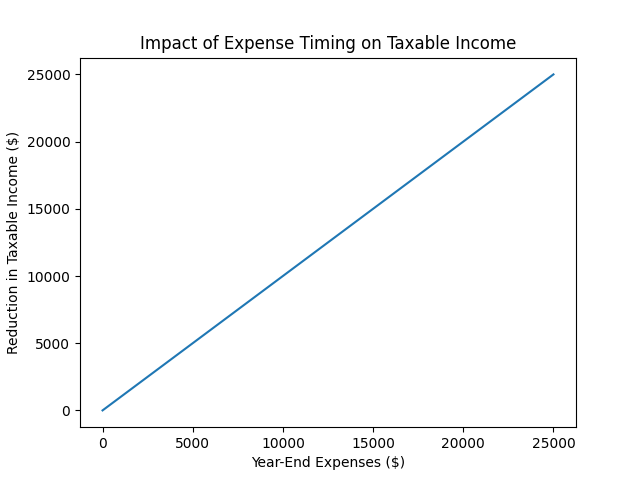
Timing can significantly impact your taxable income in a given year.
Practical strategies:
- Prepay expenses before year-end
- Delay invoicing where appropriate
- Purchase equipment before fiscal year-end
- Apply capital cost allowance (CCA)
Insight: Timing does not change total tax paid over time—but it can improve short-term cash flow and refunds.
What Records the CRA Requires
Strong documentation is essential for both compliance and maximizing refunds.
Businesses must maintain records that support all income and expense claims.
Required records include:
- Sales invoices
- Expense receipts
- Payroll records
- GST/HST filings
- Bank and credit card statements
Records should generally be kept for at least six years.
Key risk: Poor recordkeeping is one of the most common reasons refunds are reduced or denied.
Step-by-Step: How to Maximize Your Tax Refund
A structured process improves both accuracy and outcomes.
- Organize all financial records
- Categorize expenses properly
- Identify all eligible deductions
- Apply relevant tax credits
- Review GST/HST filings
- Confirm payroll accuracy
- File accurately and on time
Internal resources:
- Document checklist
- Bookkeeping guide
- CRA audit preparation guide
Common Mistakes That Reduce Your Tax Refund
Most refund losses are preventable.
Top issues:
- Mixing personal and business expenses
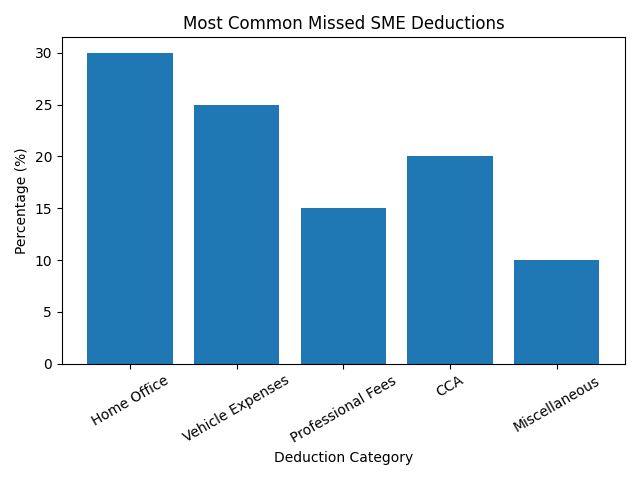
- Missing eligible deductions
- Poor or incomplete records
- Incorrect GST/HST claims
- Not claiming depreciation (CCA)
- Filing late
- Ignoring available tax credits
How GST/HST Credits Affect Your Refund
Input Tax Credits (ITCs) allow businesses to recover GST/HST paid on expenses.
Key points:
- Claim ITCs on eligible business purchases
- Ensure invoices meet CRA requirements
- Reconcile regularly to avoid errors
Impact: Proper ITC management improves cash flow and can increase overall refund outcomes.
FAQs
What is the easiest way to increase a tax refund?
Claim all eligible deductions and credits while maintaining accurate records.
Can small businesses get refunds every year?
Yes, if taxes paid exceed taxes owed.
Are home office expenses deductible?
Yes, if used regularly and exclusively for business.
What triggers a CRA audit?
Inconsistent reporting, high deductions, and missing documentation.
How long do refunds take?
Typically 2–8 weeks depending on filing method.
Can vehicle expenses be claimed?
Yes, based on business-use percentage with proper tracking.
Do tax credits always increase refunds?
Refundable credits can increase refunds; non-refundable credits reduce taxes payable only.
Final Takeaway
Maximizing your tax refund is not about aggressive strategies—it is about using the rules fully and correctly.
Businesses that maintain strong records, claim all eligible deductions, and apply credits properly are consistently better positioned to improve refunds without increasing risk.
Speak With an Advisor
If you are unsure whether your business is maximizing its tax refund, a structured review can uncover missed opportunities.
A Clearwealth advisor can help you:
- Identify overlooked deductions and credits
- Strengthen compliance and documentation
- Align your tax strategy with your business goals
Request a tailored assessment to optimize your tax position.
Sources and References
- https://www.canada.ca/en/revenue-agency/services/tax/businesses.html
- https://www.canada.ca/en/revenue-agency/services/forms-publications/publications/t4002.html
- https://www.ontario.ca/page/business-taxes
- https://www.canada.ca/en/revenue-agency/services/tax/businesses/topics/gst-hst-businesses.html
- https://www.canada.ca/en/revenue-agency/services/scientific-research-experimental-development-tax-incentive-program.html
