

How Canadian Businesses Profit From Rentals in 2026
In 2026, owning rental properties in Canada remains a profitable venture—but tax planning is crucial to maximizing returns while staying CRA-compliant.
Whether you’re an individual renting a residential property or a small business with commercial holdings, it’s important to understand what rental income the CRA expects to be reported and which deductions can help reduce taxable income.
What Counts as Rental Income in Canada?
Rental income in Canada includes all payments you receive for renting out property, whether residential, commercial, or industrial. This includes rent payments, parking fees, and any services provided as part of the rental agreement.
For businesses, the tax treatment of rental income depends on the type of property being rented, with commercial properties and residential properties treated differently for tax purposes.
Residential rental income is typically reported on your personal tax return, while commercial rental income might have additional considerations such as GST/HST and corporate income tax filings.
Key takeaway: All rental income must be reported accurately to avoid penalties.
What Deductions Can You Claim on Rental Properties?
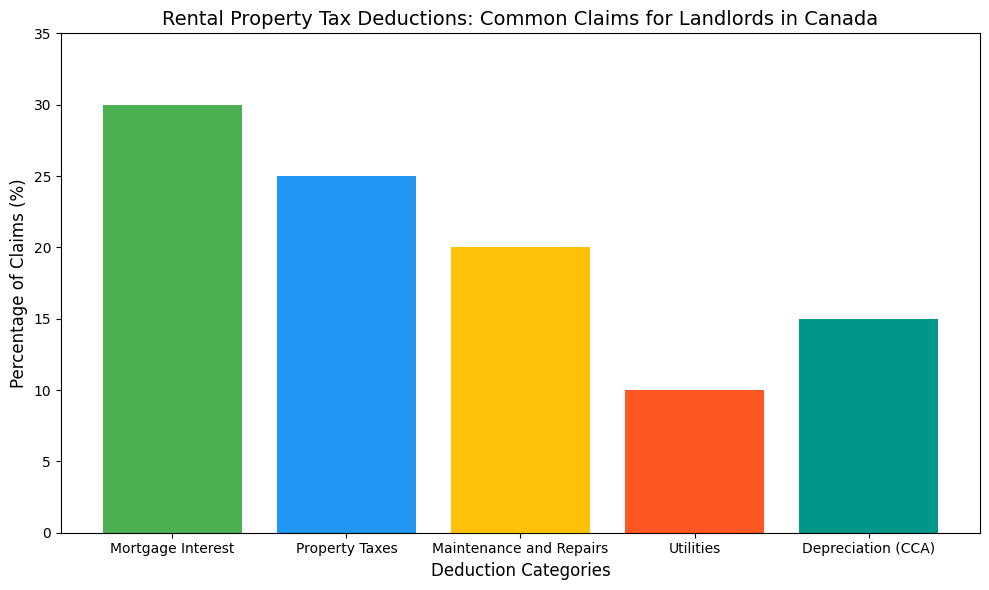
Landlords in Canada can deduct a range of expenses associated with renting out their property. These deductions help reduce taxable income, ultimately lowering your overall tax liability.
Common deductions include:
- Mortgage interest: Interest paid on loans to purchase or maintain the property
- Property taxes: Taxes levied by municipalities on real estate
- Repairs and maintenance: Costs for maintaining the property in good condition (not including improvements)
- Utilities: Water, electricity, heating, and other utilities provided to tenants
Capital Cost Allowance (CCA): For businesses and property owners, claiming CCA (depreciation) on rental properties can be a strategy to reduce taxable income. However, CCA needs to be managed carefully, as it impacts future capital gains when the property is sold.
How the CRA Taxes Rental Income for Small Businesses and Corporations
The CRA taxes rental income differently depending on whether it’s earned personally or through a corporation. For businesses, rental income is part of corporate income and subject to corporate tax rates, while for individuals, rental income is taxed at personal income tax rates.
Differences Between Individual and Corporate Tax Treatment:
| Category | Individual (Sole Proprietor) | Corporation |
| Tax rates | Personal income tax rates apply | Corporate tax rates apply |
| Deductions | Same deductions for individuals | Broader deductions and deferrals |
| GST/HST | Exempt for residential rentals | Collects GST/HST on commercial rentals |
| Tax deferral | Limited to RRSP or savings | More tax deferral opportunities via corporation |
Small Business Strategy: Incorporating a rental business can offer tax advantages like income splitting or tax deferrals, but it also comes with additional costs and reporting requirements.
What Are the Rules for Collecting and Remitting GST/HST on Rentals?
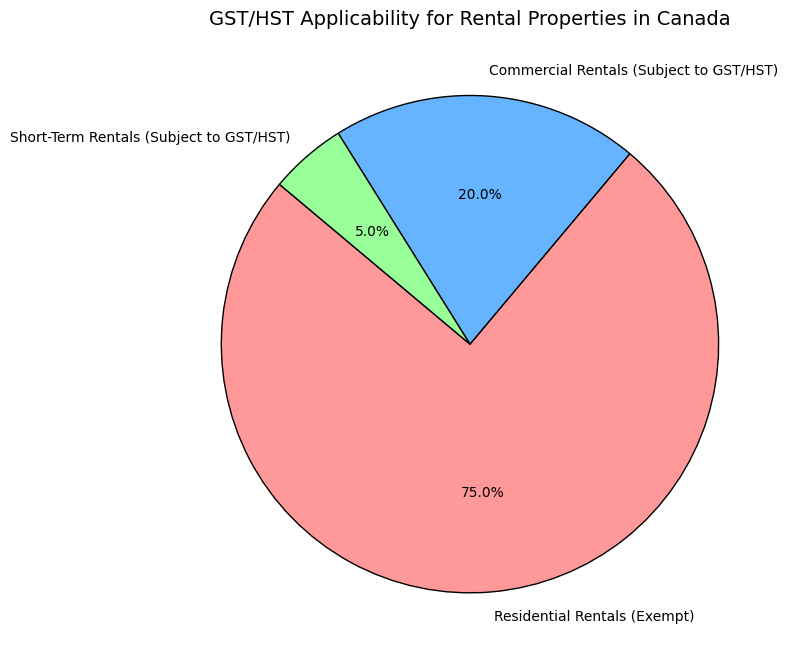
GST/HST applies to commercial rentals, but residential rental income is typically exempt. However, exceptions exist for short-term rentals (less than 30 days) and some business-related rental agreements.
For most landlords with residential properties, there is no GST/HST requirement. However, for commercial properties and short-term rentals (like those on Airbnb), you may need to collect and remit GST/HST on rental income.
Short-term rentals can trigger GST/HST collection requirements based on your total rental income, especially if it exceeds the GST/HST threshold.
Common Mistakes to Avoid When Reporting Rental Income
Incorrect reporting can lead to costly penalties and audits. Here are common mistakes to avoid:
- Failing to report all rental income: All rent payments, including additional fees like parking or utilities, must be reported.
- Claiming personal expenses: Only business-related expenses can be deducted against rental income.
- Incorrectly applying CCA: Depreciation should be calculated carefully, as it can affect the property’s sale price.
Tax Tip: Keeping accurate records and filing on time helps avoid penalties.
FAQ Section
Can I claim expenses for rental property maintenance?
Yes, maintenance and repair expenses are deductible. However, improvements must be capitalized instead of being deducted in the year they occur.
Is rental income considered business income?
Rental income is considered business income if you are in the business of renting properties, such as a property management company. Otherwise, it’s treated as personal income.
What are the penalties for not reporting rental income correctly?
Failing to report rental income correctly can lead to penalties, including fines, interest, and audits.
Do I have to pay GST/HST on rental properties?
Generally, residential rental income is exempt from GST/HST, but commercial properties and short-term rentals (e.g., Airbnb) may require GST/HST collection.
Can I use my rental income to pay for repairs on my property?
Yes, you can deduct repairs and maintenance costs that are necessary to maintain the property in good condition.
How do I avoid a CRA audit on rental income?
Maintain detailed records, report all income, and only claim legitimate deductions. Proper documentation is key.
Final Takeaway
Whether you’re an individual landlord or a small business with rental properties, tax planning and compliance are key to making rental income a profitable venture.
CRA rules require accurate reporting of rental income, and knowing the difference between commercial and residential rental tax treatment is essential. By structuring your rental business correctly and claiming the right deductions, you can reduce your taxable income and avoid costly mistakes.
If you’re navigating rental property taxes in Ontario, reach out to a Clearwealth accounting professional to help you stay compliant, optimize your profits, and avoid penalties.
Disclaimer: This article provides general information only, not legal, tax, or financial advice. Always consult a professional to confirm your specific situation.
Sources and References
- Canada Revenue Agency:
- Rental Income and Expenses (T4036)
- Relevant for understanding what rental income is taxable and the deductions available to landlords in Canada.
- Ontario Ministry of Finance:
- Property Tax Information
- Information on property tax rules and how they apply to Ontario landlords and property owners.
- TaxLawCanada:
- GST/HST on Rentals
- Provides a detailed overview of the GST/HST rules applicable to both residential and commercial rental properties in Canada, including short-term rental rules.
- Manage Your Property:
- Rental Income Reporting for Canadian Taxes
- Discusses common mistakes landlords make when reporting rental income and offers tips for compliance with CRA.
- CNCPA:
- Rental Income and Small Business
- A resource on how small businesses involved in real estate can structure their operations for tax advantages.
